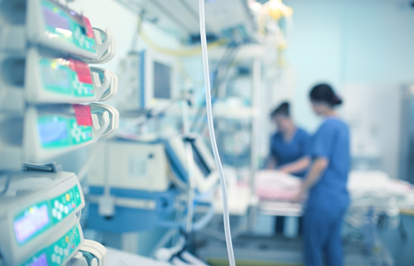
Critical care medicine provides intensive management for patients with life-threatening illness and organ dysfunction. Our ICU team provides 24/7 monitoring, advanced life support, and specialized interventions for patients requiring intensive monitoring and treatment.
Critically ill patients require expert multi-system management and rapid response to complications. Our experienced critical care physicians and nursing staff provide comprehensive care coordinating with specialists ensuring optimal outcomes during complex medical emergencies and post-operative critical periods.
Complete Critical Care Services
We provide comprehensive intensive care services with advanced monitoring and life support capabilities for critically ill patients.
- Mechanical ventilation and respiratory support management
- Hemodynamic monitoring with invasive and non-invasive techniques
- Sepsis management and infection prevention protocols
- Renal replacement therapy for acute kidney injury
- Cardiac arrhythmia management and defibrillation
- Sedation and analgesia protocols for patient comfort
- Nutritional support including enteral and parenteral nutrition
- Multi-organ failure management and organ support
- ICU-acquired infection prevention and management
Advanced Life Support and Ventilator Management
Comprehensive mechanical ventilation with advanced modes for respiratory failure. Arterial blood gas monitoring, weaning protocols, and bronchoscopy for airway management. Extracorporeal support for refractory cases.
Multi-organ Support and Sepsis Management
Management of sepsis with rapid infection control and antibiotic therapy. Renal replacement therapy for acute kidney injury. Vasopressor support for hemodynamic instability. Specialist coordination for organ-specific complications.
Frequently asked questions
Yes, we encourage family presence. Visiting hours are arranged to provide emotional support while maintaining patient stability. Restrictions may apply based on patient condition and infection control protocols.
A ventilator assists or controls breathing when patients cannot breathe adequately on their own. A tube placed in the airway delivers oxygen-rich air to the lungs, ensuring adequate oxygenation and carbon dioxide removal.
ICU length of stay varies based on condition severity and recovery rate. Some patients improve within days while others require weeks of intensive support. The ICU team continuously assesses readiness for transfer to regular units.
Continuous monitoring includes heart rate, blood pressure, oxygen saturation, respiration, temperature, and other vital signs. Frequent laboratory tests and imaging studies assess organ function and guide treatment decisions.
Sepsis is a life-threatening response to infection. Treatment includes rapid antibiotics, source control, fluid resuscitation, and vasopressor support if needed. Early recognition and aggressive management are critical for survival.