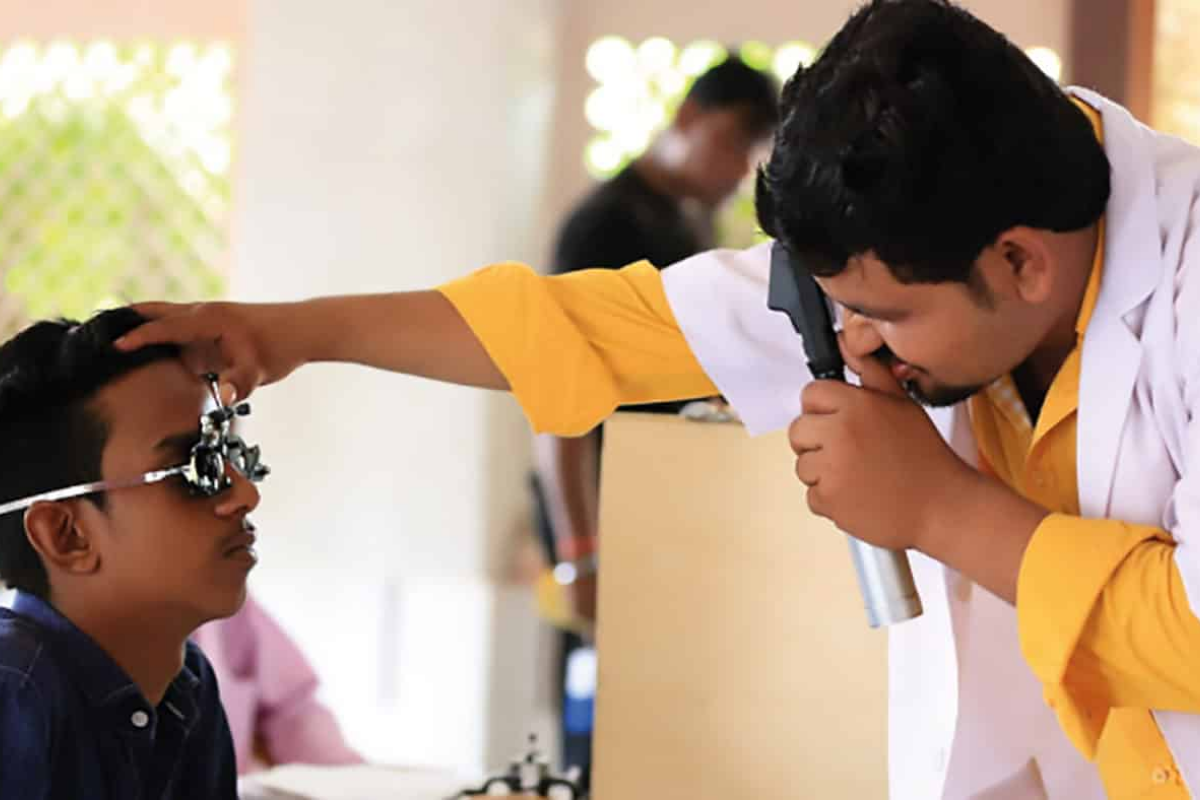
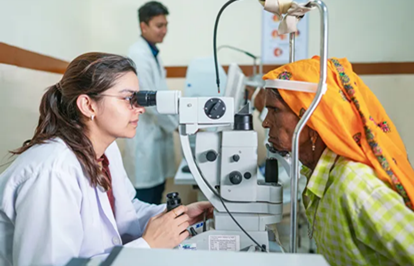
Ophthalmology is the medical and surgical specialty dedicated to diagnosing and treating diseases, disorders, and injuries affecting the eye and visual system. Our ophthalmologists utilize advanced diagnostic equipment and sophisticated surgical techniques to address conditions ranging from refractive errors to complex retinal diseases, ensuring optimal vision health throughout your lifetime.
Vision is fundamental to quality of life, making comprehensive eye care essential for patients of all ages. Our team provides preventive screenings, medical management of eye diseases, and specialized surgical interventions to preserve and restore sight, combining expertise with compassionate patient-centered care.
Complete Eye Care Solutions
We offer comprehensive ophthalmological services addressing all vision and eye health needs with cutting-edge technology and expert care.
- Comprehensive eye examinations and vision screening programs
- Refractive surgery including LASIK and PRK procedures
- Cataract diagnosis, management, and surgical extraction
- Glaucoma screening, monitoring, and treatment options
- Diabetic retinopathy management and laser therapy
- Retinal disease evaluation and advanced imaging
- Dry eye syndrome treatment and management protocols
- Corneal disease diagnosis and therapeutic interventions
- Pediatric vision assessment and amblyopia management
Advanced Cataract Surgery
We perform phacoemulsification and premium intraocular lens implantation with minimal invasiveness, enabling rapid visual recovery and enhanced quality of vision restoration.
Laser Vision Correction
LASIK and PRK procedures use excimer laser technology to reshape corneal tissue, permanently correcting myopia, hyperopia, and astigmatism for spectacle-free vision.
Frequently asked questions
Adults should have comprehensive eye exams every one to two years, while those with existing conditions or over age 60 may require annual evaluations. Regular screenings detect diseases early when treatment is most effective.
LASIK is painless during the procedure due to numbing drops; patients experience mild discomfort and temporary vision fluctuations during healing. Full recovery typically occurs within one week.
While cataracts cannot be entirely prevented, ultraviolet protection, managing diabetes, avoiding smoking, and maintaining antioxidant-rich nutrition may slow their development significantly.
Glaucoma typically results from elevated intraocular pressure damaging the optic nerve, though some cases involve normal pressure. Early detection through screening is crucial for preserving vision.
Children should have their first eye exam by age three, then before school entry and periodically during school years. Early detection prevents visual development problems and amblyopia.