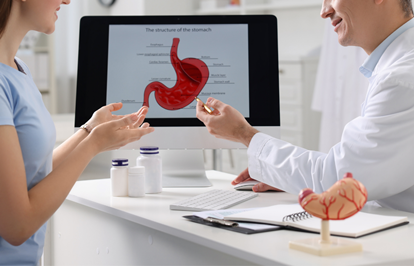
Gastroenterology is the medical specialty focused on diagnosing and managing diseases of the gastrointestinal tract, liver, pancreas, and biliary system. Our gastroenterologists utilize advanced endoscopic techniques and pharmaceutical therapies to address conditions ranging from inflammatory bowel disease to malignancies, providing both curative and palliative care.
The digestive system's proper function is essential for nutrition and overall health. Our specialized gastroenterology services combine preventive screening, medical management of chronic conditions, and therapeutic interventions to maintain digestive wellness and treat complex gastrointestinal disorders effectively.
Complete Gastrointestinal Care
We provide comprehensive gastroenterology services including diagnostic endoscopy, management of digestive diseases, and advanced therapeutic interventions for optimal gastrointestinal health.
- Upper endoscopy for diagnosis and therapeutic intervention of esophageal disorders
- Colonoscopy screening, polyp removal, and colorectal cancer prevention
- Inflammatory bowel disease evaluation and long-term management protocols
- Gastroesophageal reflux disease diagnosis and personalized treatment plans
- Peptic ulcer disease management and H. pylori eradication therapy
- Liver disease evaluation including hepatitis, cirrhosis, and fatty liver assessment
- Pancreatitis and pancreatic disorder diagnosis with advanced imaging
- Celiac disease screening and nutritional management consultation
- Irritable bowel syndrome evaluation and symptom-directed therapy
Upper Endoscopy and ERCP
Minimally invasive endoscopic procedures for visualization and treatment of esophageal, gastric, and biliary conditions. Capability for therapeutic interventions including polyp removal, stricture dilation, and stone extraction.
Colonoscopy and Colorectal Cancer Screening
Advanced colonoscopy with high-definition imaging for comprehensive colon evaluation. Early polyp detection and removal preventing colorectal cancer development. Screening protocols based on individual risk factors.
Frequently asked questions
GERD symptoms include heartburn, acid regurgitation, chest pain, difficulty swallowing, and chronic cough. Frequent symptoms may indicate need for specialist evaluation and treatment.
Colonoscopy is performed under sedation ensuring patient comfort. Most patients remember little about the procedure. Mild cramping may occur but is minimized by proper technique and medication.
Average-risk individuals should begin screening at age 45-50. Screening intervals typically range from 3-10 years depending on findings. Your gastroenterologist will recommend appropriate timing for your situation.
IBD cannot be cured but can be well-controlled with appropriate medications and lifestyle modifications. Modern treatments allow many patients to achieve remission and normal quality of life.
Common trigger foods for IBS include dairy, gluten, high-fat foods, caffeine, and spicy foods. However, triggers vary by individual. A dietary consultation with your gastroenterologist or dietitian can identify your specific triggers.