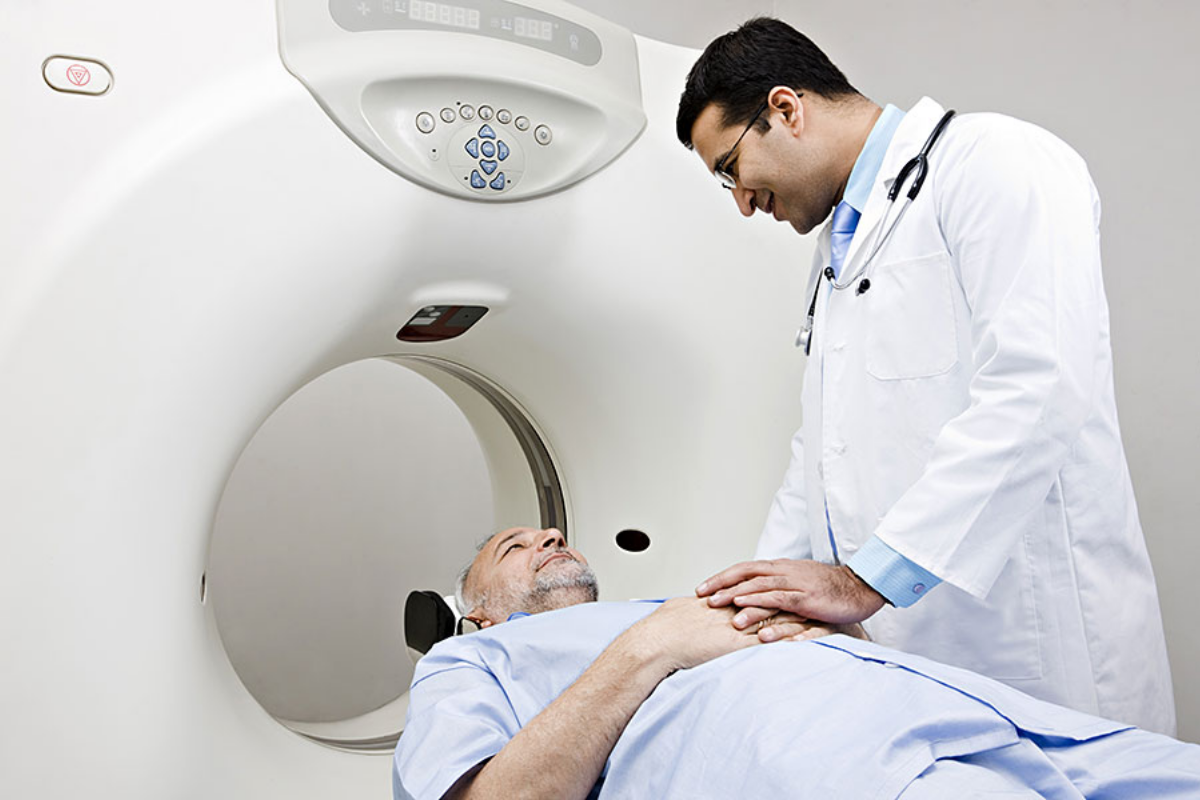
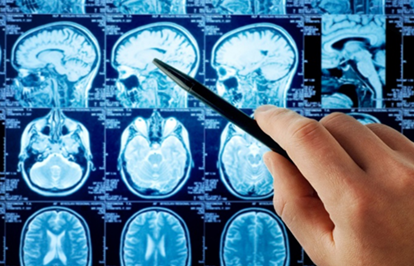
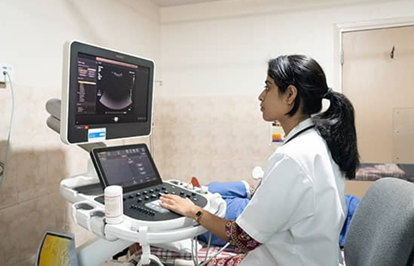
Radiology and diagnostic imaging utilize advanced technology to visualize internal body structures and organs. Digital radiography, ultrasound, CT scanning, and MRI provide precise diagnostic information guiding clinical management and treatment planning.
Early detection and accurate diagnosis through advanced imaging prevents disease progression and enables effective treatment. Our experienced radiologists interpret complex imaging studies providing valuable clinical insights for optimal patient care and management decisions.
Complete Diagnostic Imaging Services
We provide comprehensive radiological services using state-of-the-art diagnostic imaging equipment for accurate disease detection and monitoring.
- Digital radiography including chest, abdomen, and skeletal imaging
- High-resolution ultrasound for abdominal, cardiac, and vascular assessment
- Computed tomography with multidetector technology for detailed cross-sectional anatomy
- Magnetic resonance imaging for soft tissue and neurological evaluation
- Mammography and breast imaging for cancer screening and diagnosis
- Interventional radiology including biopsies, drainage, and therapeutic procedures
- Doppler ultrasound for vascular flow assessment
- Image-guided percutaneous procedures
- PACS integration for seamless patient record management
Advanced Cross-sectional Imaging (CT/MRI)
High-resolution CT and MRI provide detailed anatomical information for complex diagnostic problems. Excellent for detecting tumors, infections, trauma, and evaluating internal organs with superior soft tissue contrast resolution.
Ultrasound and Vascular Imaging
Portable, real-time ultrasound imaging for abdominal, pelvic, and soft tissue assessment. Doppler ultrasound evaluates blood vessel flow. Safe, non-invasive, no radiation - ideal for initial evaluation and follow-up monitoring.
Frequently asked questions
X-rays and CT scans use ionizing radiation in small doses. Risks are minimal compared to diagnostic benefits. Ultrasound and MRI use no ionizing radiation. Lead shielding and careful protocol minimize unnecessary exposure.
Ultrasound is safe during pregnancy. X-rays and CT are generally avoided unless absolutely necessary. Always inform your radiologist if you're pregnant or suspect pregnancy before imaging.
Duration varies: X-rays take minutes, ultrasound 15-30 minutes, CT 10-20 minutes, and MRI 30-60 minutes. Actual scan time is usually short; longer times include positioning and preparation.
Most reports are available within 24 hours. Urgent cases may have reports within hours. Your referring physician receives the report through PACS system and will contact you with results.
Preparation depends on the test. Abdominal ultrasound may require fasting. CT may require oral contrast. Always follow instructions given when scheduling. MRI requires removing metal objects. Ask if unsure about preparation.